
Global Acipenseridae Systems: A Micro-Structural, Socio-Economic, and Supply Chain Treatise on Contemporary Caviar Production (2000–2026)
1. Introduction and Evolutionary Taxonomy of Acipenseridae
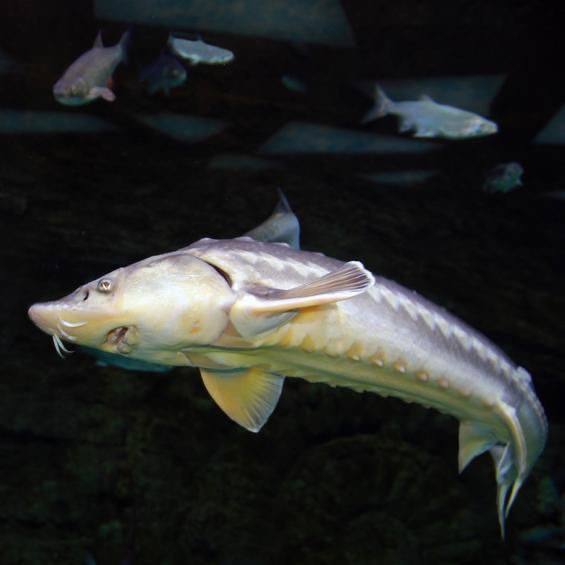
The term "caviar" refers strictly to the processed, salted roe of critically endangered sturgeon species belonging to the family Acipenseridae. For more than two decades, the global trade of this high-value luxury commodity has operated under a profound paradigm shift: transitioning from wild, unregulated harvesting in the Caspian and Black Sea basins to highly digitized, automated, and intensive recirculating aquaculture systems (RAS) across Europe and Asia.
From an Industrial Systems Engineering and bio-economic perspective, sturgeon are slow-maturing biological assets. The optimization of their production requires precise longitudinal modeling. Understanding the evolutionary taxonomy and structural differences between these species is the first step in assessing their commercial value.
Table 1: Phylogenetic and Commercial Matrix of Premium Acipenseridae Species
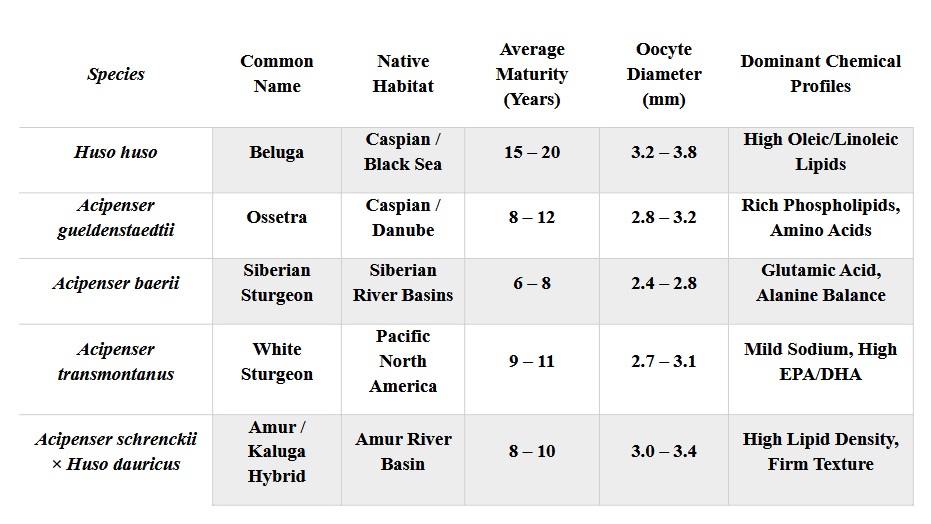
Sources: Compiled from FAO Fishery Statistics (2024) & Bronzi et al. (2011) longitudinal sturgeon reviews.
2. Geological & Hydrological Foundations of Sturgeon Farming
The shift toward global aquaculture has highlighted the critical role of water chemistry and containment design. Modern premium caviar production relies on two main methods: Open Net-Pens in pristine alpine lakes, and highly controlled indoor Recirculating Aquaculture Systems (RAS).
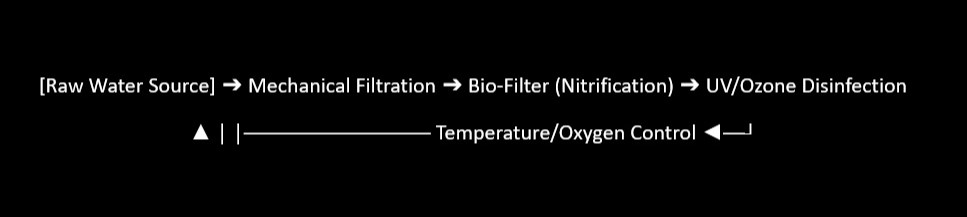
Recirculating Aquaculture Systems (RAS) Control Metrics
In an engineering ecosystem, water quality functions as a primary driver of egg quality. According to research by Pikitch et al. (2005) and updated aquaculture engineering profiles (Badiola et al., 2012), the following parameters must be strictly automated:
- Dissolved Oxygen (DO): Must be maintained at over 85% saturation (>7.5 mg/L at 15°C) to prevent metabolic stress in female sturgeons, which directly causes egg resorption (follicular atresia).
- Total Ammonia Nitrogen (TAN): Must be kept below 0.5 mg/L through advanced bio-filtration systems utilizing specialized nitrifying bacteria layers.
- Thermal Optimization: Sturgeons require specific temperature cycles. During the final vitellogenesis stage (egg maturation), dropping the water temperature to 6°C–8°C for a 60-day period mimics natural winter conditions, ensuring uniform egg size and preventing premature degradation.
3. Chromatographic and Physical Evaluation of Premium Caviar
To protect against market fraud and ensure world-class quality, professional buyers use high-tech sensory and chemical evaluation methods rather than just visual inspection.
High-Performance Liquid Chromatography (HPLC) Fingerprinting
Just as HPLC analysis is used to determine the purity of premium botanicals like Super Negin saffron (Alonso, 2001), it is also deployed to audit the lipid and amino acid profiles of caviar. High-grade caviar is defined by its volatile and non-volatile profiles:
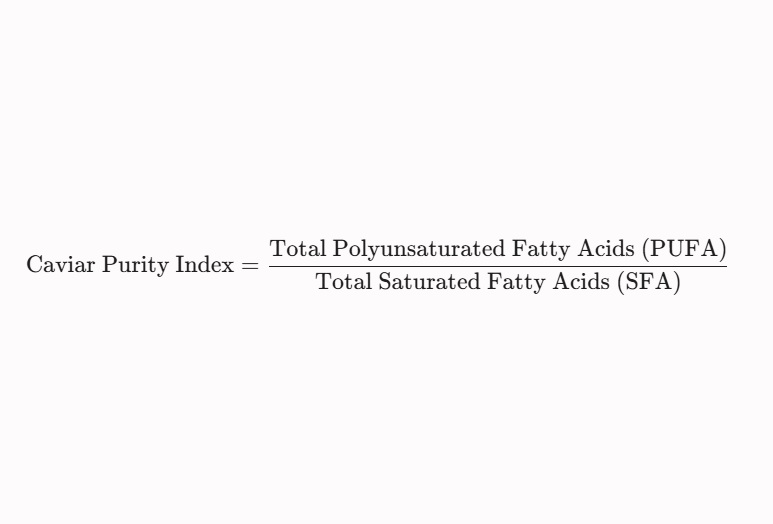
Premium caviar yields a significantly higher ratio of Omega-3 polyunsaturated fatty acids, specifically Eicosapentaenoic Acid (EPA) and Docosahexaenoic Acid (DHA). These compounds provide both exceptional nutritional value and a smooth, buttery texture that melts at room temperature.
Physical Indicators of Authenticity
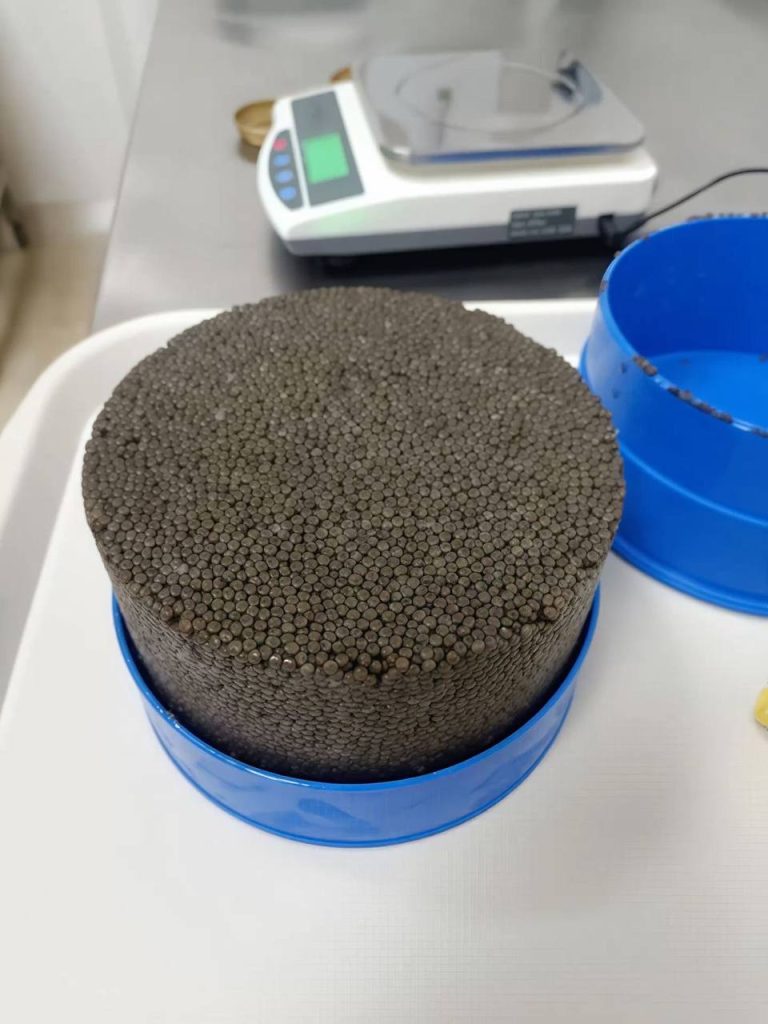
- Egg Integrity (The Pop Test): The outer membrane (zona radiata) must be firm enough to resist initial tongue pressure but yield smoothly without being rubbery. Excessive firmness indicates chemical over-processing or the use of pasteurization techniques that damage flavor.
- Color Uniformity: While wild caviar displayed high color variation, modern AI-Driven Sorting Systems grade caviar by shade (e.g., Triple 0 Gold for Ossetra) to ensure absolute consistency within a single tin.
- The Malossol Standard: Derived from the Russian term for "little salt," authentic premium caviar contains a strict salt content of 2.5% to 3.5% pure vacuum-refined sodium chloride. Any concentration above 4% is typically a sign of lower-grade processing meant to artificially extend shelf life.
4. Macro-Economic Dynamics: Global Trade, Demand, and Future Insights
The commercial market for caviar is shaped by international compliance laws, primarily enforced by CITES (Convention on International Trade in Endangered Species). Since the wild harvesting bans of the early 2000s, production power has shifted geographically.
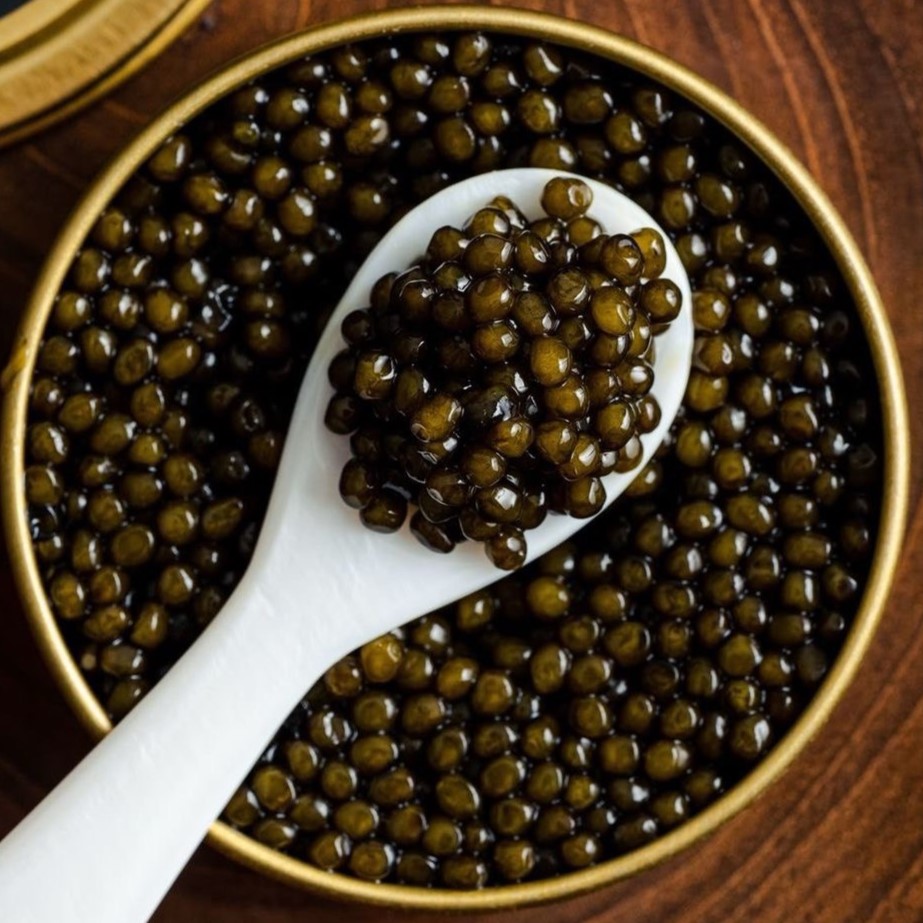
Table 2: Global Import-Export and Market Density (2020–2026 Metrics)
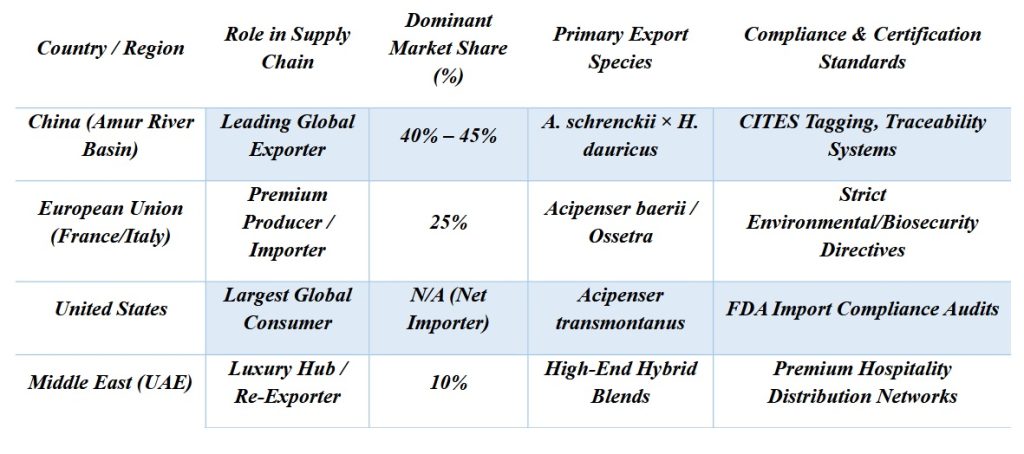
Sources: Synthesized from CITES Trade Database and TRAFFIC International Reports (2021–2026).
Future Insights and Sustainable Innovations
The future of luxury gastronomy relies on combining environmental responsibility with tech-driven transparency. Key trends shaping the market include:
- Blockchain-Driven Traceability: Leading producers are using cryptographic supply chains to track every tin of caviar back to the specific female sturgeon's microchip, documenting her complete ultrasound records and water profile.
- Cruelty-Free Caviar (No-Kill Harvesting): While still a small niche, techniques involving the massage extraction of eggs (using signaling hormones like ovaprim) are being explored to allow continuous harvesting from a single biological asset without slaughter. However, chemical stabilizers are required to prevent egg softening during this process, making traditional Malossol harvesting the preferred method for the ultra-luxury market.
5. Professional Gastronomy and Cultural Rituals
Caviar is a complex structural mineral and lipid network that reacts easily with external materials.
- The Oxidation Matrix: Contact with silver, brass, or iron causes instant oxidation of the delicate lipids, leaving a metallic taste. To maintain the purity of the chemical profile, caviar must only be served with non-reactive materials such as Mother-of-Pearl, bone, gold-plated spoons, or custom-cut glass.
- Precision Temperature Control: Caviar must be stored at -2°C to 0°C—a temperature that halts enzymatic breakdown without freezing the internal water of the egg, which would rupture the outer membrane.
Conclusion: The Horizon of Precision Luxury
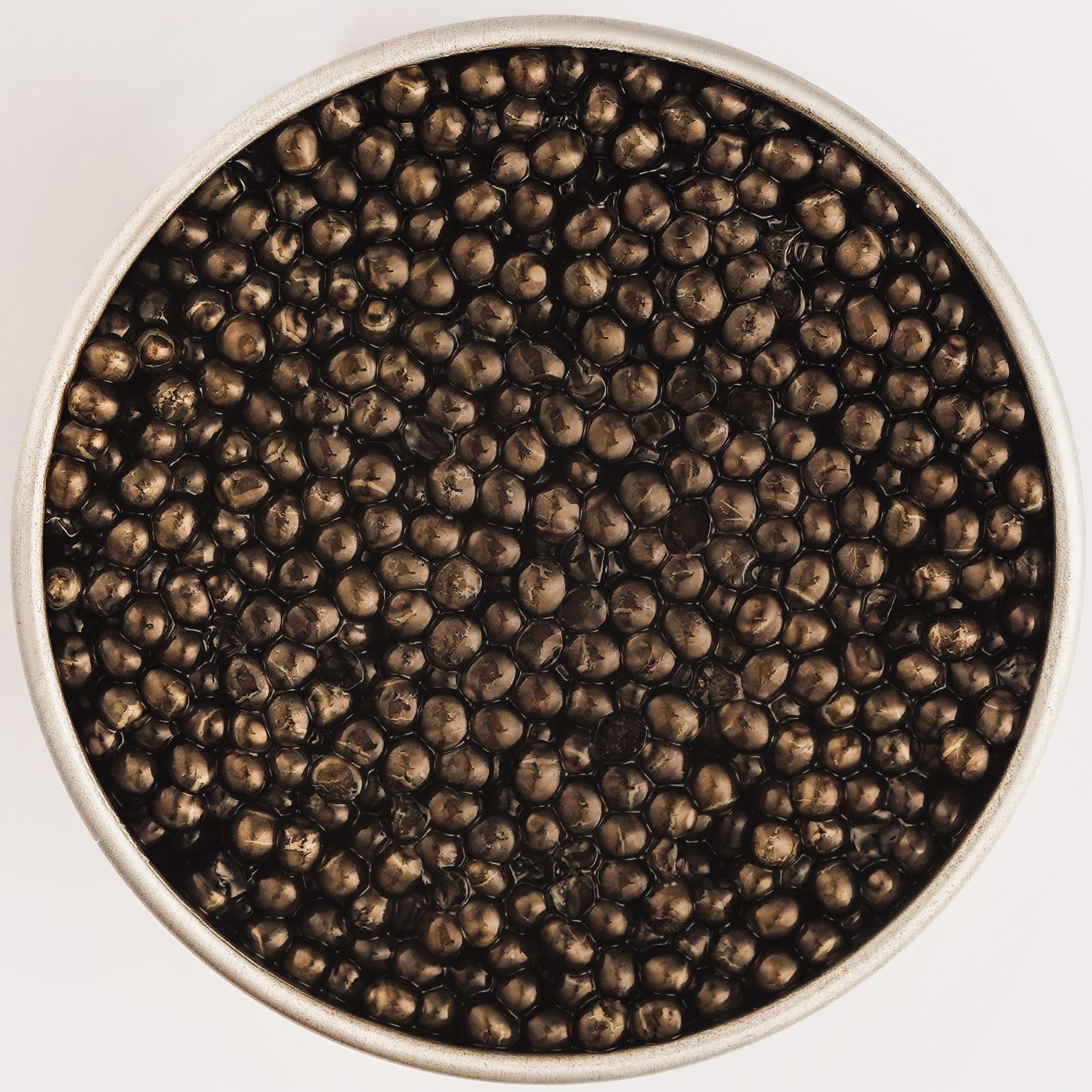
Caviar has evolved from an over-exploited wild resource into a masterclass in modern bio-engineering and luxury brand scaling. The businesses that dominate this market do so by combining historic culinary traditions with strict scientific controls. By understanding the physical chemistry, taxonomy, and macroeconomic dynamics of these species, brands can deliver products that provide uncompromising purity and exceptional quality to consumers worldwide.
Discover the pinnacle of traceably engineered food commodities and curated luxury experiences at Luxury Tastes.
About the Author:
Behdad Gitinezhad, PhD, CMgr, is the Founder and R&D Executive of Green Trade Chain Ltd. As a Chartered Manager (CMgr) with a PhD in Industrial Engineering, his research focuses on integrating advanced industrial systems and AI-driven frameworks to automate the production and optimisation of high-value botanical and mineral commodities.