
Luxury Food Market Trends 2026: The Five Forces Redefining the World’s Finest Tables
In 2026, the world’s most discerning kitchens are no longer chasing novelty — they are chasing certainty. Certainty of origin, of craft, and of consequence. The numbers behind the luxury food market tell a story most listicles miss entirely.
The Market in Numbers: Luxury Food’s Quiet Boom
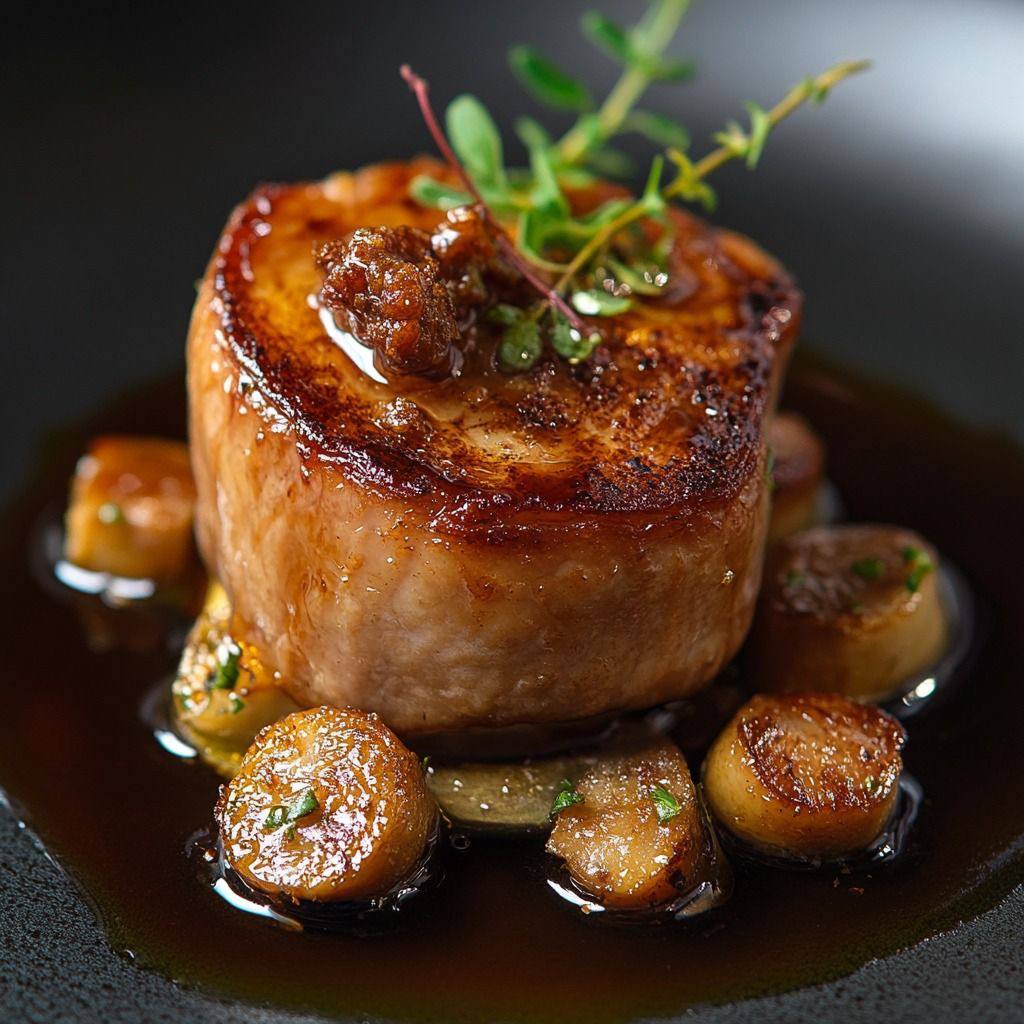
While mainstream grocery wrestles with margin pressure, the fine-food segment is compounding at a pace that would flatter many investment portfolios. The global luxury foods market — spanning caviar, truffles and foie gras — was valued at roughly USD 12 billion in 2024 and is projected to reach USD 20 billion by 2033, a 6.8 per cent compound annual growth rate, according to Verified Market Reports. Within that figure, caviar commands the largest share at around 42 per cent, while truffles are the fastest-growing category at 8.7 per cent annually.
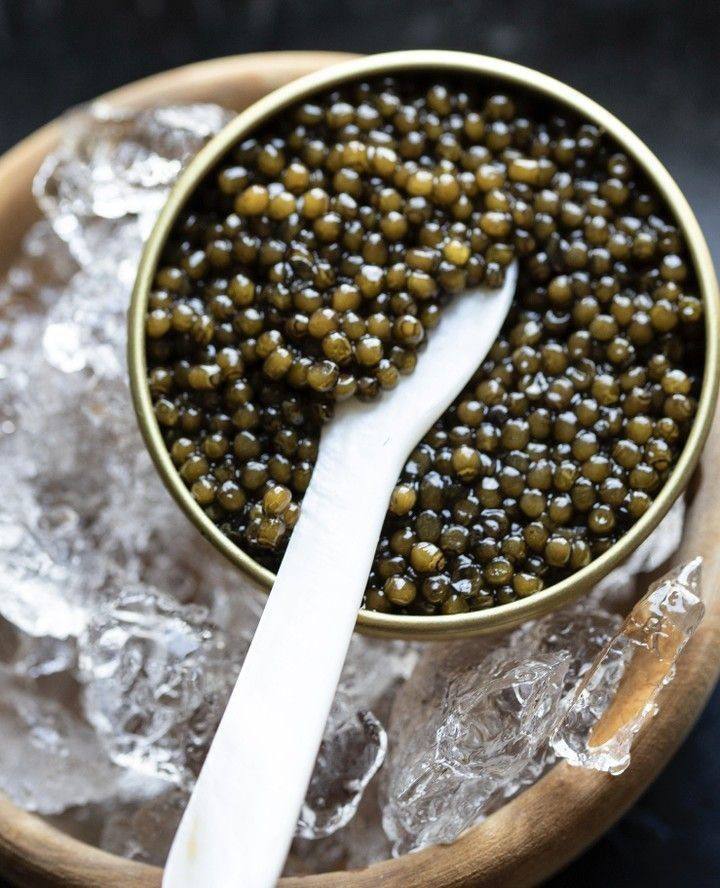
Saffron, the market we watch most closely, follows the same trajectory: independent analysts project the global saffron market to grow from approximately USD 517 million in 2026 to nearly USD 884 million by 2033 — a 7.9 per cent annual rate, per Grand View Research, whose data shows food and beverage applications accounting for 58.3 per cent of revenue in 2025. Luxury food, in short, is not a niche indulgence. It is one of the most resilient corners of the global consumer economy.
For British buyers, the picture is sharper still. The United Kingdom remains one of Europe’s largest import markets for fine foods, and the weak correlation between premium ingredient demand and broader retail cycles means the category holds its value even when discretionary spending elsewhere softens. What has changed is not whether the affluent buy exceptional food — it is what they now demand to know before they do.
Trend One: Provenance Becomes the Price Tag
The defining shift of 2026 is that provenance is now the price tag. Affluent buyers no longer pay for adjectives; they pay for evidence. Batch-level traceability, harvest documentation and blockchain-backed supply records have moved from marketing novelty to baseline expectation, and analysts note the market for organically certified truffles alone is expanding by around 10 per cent a year. The brands winning in this environment are those that can show — not merely tell — where every gram originated. It is precisely why our Grade 1 Super Negin saffron collection ships with full traceability from harvest to jar.
How to read a provenance record
A credible traceability record answers four questions without hesitation: where the crop was grown, when it was harvested, who handled it between field and jar, and how its quality was independently assessed. Anything less — a vague “sourced from the finest farms”, a certificate with no batch number — is decoration, not documentation. In 2026, the sophisticated buyer treats a missing answer to any of these four questions as a reason to walk away, however beautiful the packaging.
Trend Two: Saffron’s Continued Ascent
No ingredient better illustrates the premium-provenance economy than saffron. Trade data compiled by Tridge put the average US import unit price at USD 2,616 per kilogram in January 2026, with top retail grades commanding several multiples of that figure. Demand from haute cuisine, premium beverages and fine patisserie continues to outstrip the slow, labour-bound supply. Among connoisseurs, Super Negin remains the benchmark grade — the longest, deepest-crimson threads with the highest colouring strength.
Why is saffron the most expensive spice in the world in 2026?
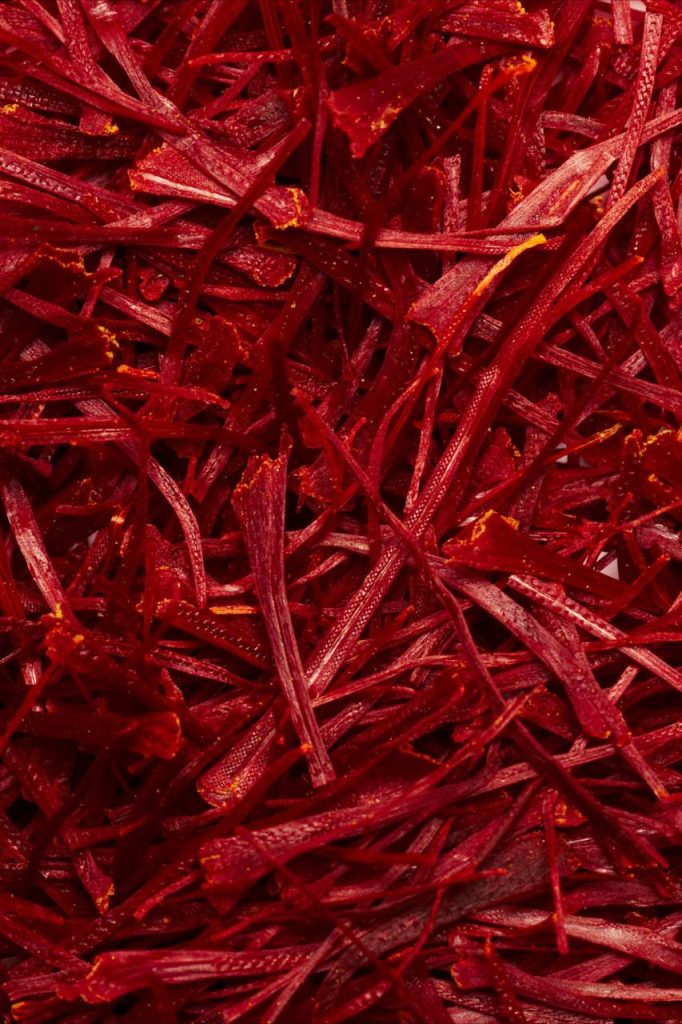
Saffron is the world’s most expensive spice because it cannot be industrialised. Each Crocus sativus flower yields just three usable stigmas, which must be picked by hand during a brief autumn flowering window; producing a single kilogram requires roughly 150,000 or more flowers and hundreds of hours of skilled labour. Grading then separates the exceptional from the ordinary: thread length, unbroken tips, aroma and measured colouring strength determine whether a harvest earns the Super Negin designation. Scarcity, labour and grading rigour — not marketing — set the price.
Trend Three: Conscious Caviar Sets a New Standard
The caviar market is projected to double from roughly USD 523 million in 2026 to over USD 1 billion by 2035, and nearly all of that growth is responsibly farmed. For the modern buyer, sustainability is now a condition of entry, not a virtue signal: certified aquaculture, transparent sourcing and wild-stock protection are prerequisites before taste is even discussed. We examined this shift in depth in our guide to choosing sustainable caviar, and it shapes everything in our caviar collection — down to the mother-of-pearl service pieces that protect the delicacy’s flavour.
Trend Four: Technology-Grown Luxury Comes of Age
Perhaps the most consequential trend is invisible at the table. Controlled-environment cultivation — hydroponic growing systems steered by sensor networks, data-driven climate control and renewable energy — is beginning to deliver harvest consistency that traditional field agriculture cannot guarantee in a volatile climate. For crops as sensitive as saffron, precision agriculture offers year-round stability of quality without compromising character, a subject we explored in our analysis of hydroponic saffron cultivation. Expect the finest producers of the next decade to be as fluent in data as they are in flavour.
The environmental mathematics are equally persuasive. Closed-loop growing systems recirculate water rather than losing it to field evaporation, and pair naturally with solar generation and circular-economy packaging — credentials that increasingly influence the purchasing decisions of the same buyers driving the provenance trend. Sustainability and technology, once separate conversations in fine food, have converged into a single question: can this producer prove that excellence was grown responsibly? The producers who can answer yes are already commanding measurable price premiums over those who cannot.
Trend Five: The Return of the Considered Table
Finally, luxury food is coming home. Industry trend reports for 2026 describe a “nouveau retro” revival: younger affluent buyers rediscovering formal ingredients — caviar service, saffron-laced cocktails, single-origin salts — for intimate entertaining rather than restaurant occasions. The considered table is the new status symbol: fewer courses, finer ingredients, and a story behind every element. For premium grocers and direct-to-consumer brands alike, the dinner party has quietly become the most valuable retail channel of the year.
The gifting economy follows the same logic. A jar of award-winning saffron or a hand-carved crystal mortar now occupies the space once held by a bottle of vintage champagne: compact, storied, and unmistakably considered. Retail analysts consistently note that provenance-rich food gifts outperform generic luxury gifting in repeat purchase rates, because the recipient consumes the story along with the product — and returns for both.
What the Discerning Buyer Should Do in 2026

Three principles follow from the data. First, buy by grade, not by adjective — insist on named grades such as Super Negin and on documented colouring strength. Second, demand traceability as standard; a producer who cannot show origin should not command a premium. Third, let independent judges do the filtering: blind-tasted honours such as the Great Taste Awards, judged by more than 500 chefs and critics, remain the most reliable proxy for quality in the sector.
There is also a timing argument. With saffron, caviar and truffle markets each compounding at seven to nine per cent annually while genuine top-grade supply stays essentially flat, the premium between exceptional and merely good product will keep widening. The buyer who learns to distinguish grade, provenance and independent validation today is not simply shopping better — they are securing access to a category whose finest tier grows scarcer, and dearer, every season. In luxury food, as in every other luxury market, discernment is the only durable discount.
At Luxury Tastes, these principles are the business model. Our Great Taste 2-Star award-winning saffron, rare salts and caviar service pieces are curated on exactly the standards this market now demands — provenance, sustainability and uncompromising grade. Explore the collection at www.luxurytastes.com and taste where the luxury food market is heading, before the rest of the world catches up.
About the Author: Behdad Gitinezhad, PhD, CMgr, is the Founder and R&D Executive of Green Trade Chain Ltd. As a Chartered Manager (CMgr) with a PhD in Industrial Engineering, his research focuses on integrating advanced industrial systems and AI-driven frameworks to automate the production and optimisation of high-value botanical and mineral commodities.