

The Bio-Chemical Matrix of Sweetness: Sugar, Diabetes, and the Molecular Evolution of Sweeteners (Part 1)

In the contemporary landscape of health optimization and metabolic engineering, the global escalation of Type 2 Diabetes Mellitus (T2DM) has forced a critical re-evaluation of dietary carbohydrates. Refined sucrose, once a foundational caloric pillar of the human diet, is now chemically recognized as a primary driver of systemic inflammation, insulin resistance, and cellular glycation.
From an Industrial Systems Engineering perspective, re-engineering human nutrition requires more than just removing harmful ingredients; it demands the deployment of advanced molecular alternatives that satisfy human sensory receptors without disrupting metabolic homeostasis.
This comprehensive two-part treatise explores the deep biophysics of sugar-induced metabolic stress, classifies the structural chemistry of alternative sweeteners, and provides the scientific foundation needed to navigate the future of glucose regulation.
1. The Glucose Influx: How Sucrose Deconstructs Metabolic Health
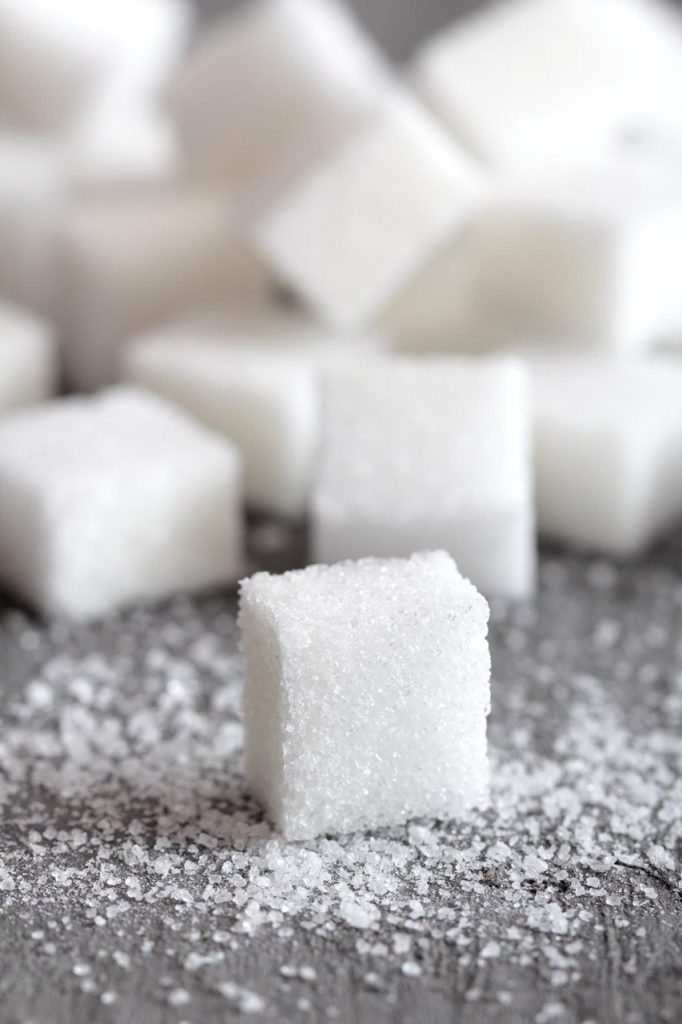
To engineer a solution, we must first analyze the failure mechanics of the primary variable: Sucrose (C12H22_{22}O11). Sucrose is a disaccharide composed of 50% glucose and 50% fructose. Each component triggers a distinct, highly damaging biochemical pathway when consumed in modern industrial quantities.
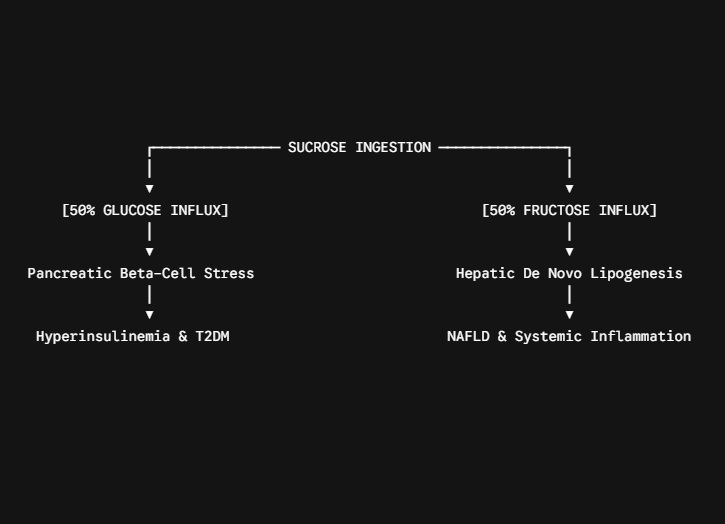
The Pancreatic and Hepatic Toll
- The Glucose Pathway and Insulin Resistance: Upon ingestion, glucose causes a rapid spike in blood plasma glucose levels. The pancreas responds by secreting high levels of insulin from beta-cells. Over time, chronic hyperinsulinemia down-regulates insulin receptors on cell membranes, directly causing Type 2 Diabetes.

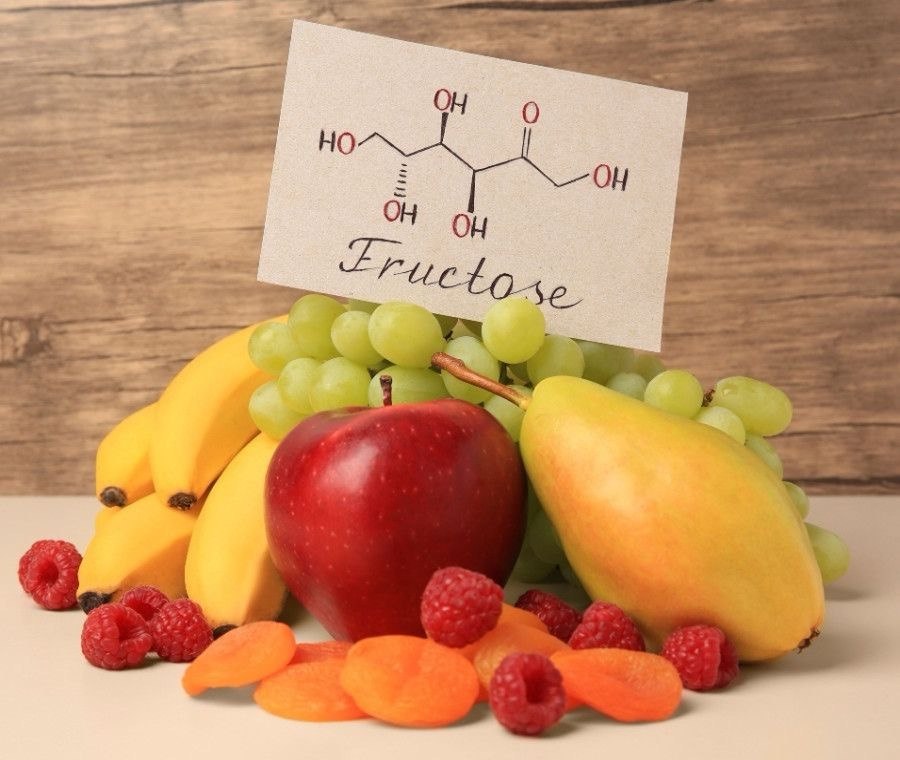
- The Fructose Pathway and Lipogenesis: Unlike glucose, fructose cannot be utilized directly by peripheral cells. It is processed entirely by the liver. Peer-reviewed clinical studies archived by MDPI Nutrients demonstrate that excessive hepatic fructose metabolism bypassing the phosphofructokinase regulatory step leads directly to De Novo Lipogenesis (DNL). This manifests as Non-Alcoholic Fatty Liver Disease (NAFLD) and visceral fat deposition.
- Advanced Glycation End-Products (AGEs): Excess circulating sugars bond non-enzymatically with proteins and lipids. This process, known as glycation, creates AGEs which damage arterial walls, accelerate neural aging, and degrade cellular elasticity.

2. Taxonomy of Alternative Sweeteners: Decoupling Sweetness from Calories
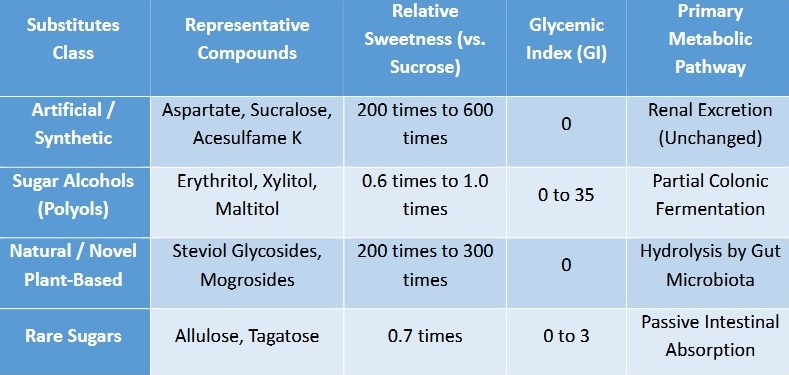
To satisfy the human evolutionary drive for sweetness without triggering the glycemic pathways outlined above, food scientists have classified sugar substitutes into four distinct chemical groups. Each category features unique properties regarding absorption, thermal stability, and molecular interaction.
3. Sectional Breakdown: Analyzing the First Wave of Substitutes
Category A: The Synthetic Frontier (Artificial Sweeteners)

Artificial sweeteners like Sucralose and Aspartame are chlorinated hydrocarbons or amino acid derivatives designed to fit precisely into the T1R2 and T1R3 sweet taste receptors on the tongue. Because they are not recognized by human digestive enzymes, they pass through the body without contributing calories.
However, long-term epidemiological data published by The Lancet indicates that while synthetic sweeteners do not raise short-term blood sugar, their intense sweetness can alter neural taste thresholds and negatively impact gut microbiome composition over time.
Category B: The Polyol Dilemma (Sugar Alcohols)
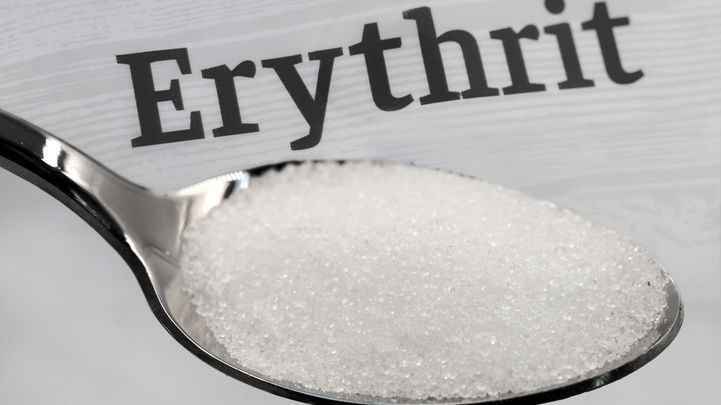
Sugar alcohols, particularly Erythritol and Xylitol, maintain a chemical structure resembling both sugar and alcohol molecules. Erythritol is highly favored because its molecular weight allows more than 90% of it to be absorbed in the small intestine and excreted unchanged in urine, yielding a Glycemic Index of exactly 0.
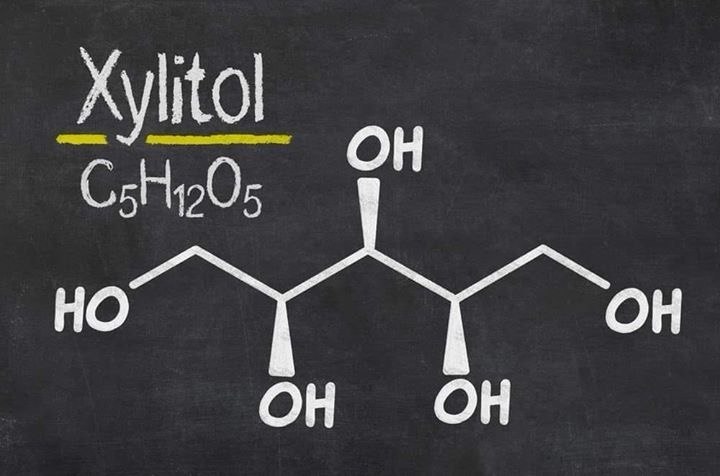
Other polyols, like Maltitol, carry a higher Glycemic Index (GI of 35) and can draw water into the large intestine, causing gastrointestinal distress when consumed in volume.
4. The Functional Synergy: Health-Conscious Infrastructure
At Green Trade Chain Ltd, our dedication to Agri-Tech Traceability and Innovation extends beyond premium minerals into the evaluation of pure, bioactive functional ingredients. Just as we use precise chromatographic methods to measure the bio-availability of the active ingredients in our Luxury Tastes Saffron Desert Salt, we also screen sugar alternatives for their long-term impact on systemic health and insulin sensitivity.
True wellness requires complete freedom from metabolic volatility. While synthetic alternatives and polyols offer a temporary escape from refined sucrose, the ultimate goal of metabolic engineering is to discover an ingredient that doesn't just pass through the body passively, but actively supports insulin pathways and fights cellular oxidation.
Next Horizon: Unlocking the Ultimate Metabolic Sweetener
The baseline alternatives have been set, but the scientific frontier has moved deeper into Natural Plant-Based Glycosides and Rare Sugars. One ultra-premium, naturally derived molecule has emerged as the absolute gold standard for glucose management, demonstrating an ability to enhance cellular insulin sensitivity and match the exact mouthfeel of sucrose without a single drop of metabolic toxicity.
Which compound holds this crown, and how can you seamlessly integrate it into a luxury wellness lifestyle?
[Continue to Part 2: The Biological Gold Standard of Sweeteners & Metabolic Restoration] — where we break down the definitive winner of the sweetener revolution, analyze its protective impact on pancreatic beta-cells, and provide an optimized blueprint for metabolic vitality.
About the Author:
Behdad Gitinezhad, PhD, CMgr, is the Founder and R&D Executive of Green Trade Chain Ltd. As a Chartered Manager (CMgr) with a PhD in Industrial Engineering, his research focuses on integrating advanced industrial systems and AI-driven frameworks to automate the production and optimisation of high-value botanical and mineral commodities.