

The Bio-Chemical Matrix of Sweetness: Sugar, Diabetes, and the Molecular Evolution of Sweeteners (Part 2)
Following our molecular taxonomy of synthetic alternatives and polyols outlined in Part 1: The Bio-Chemical Matrix of Sweetness, the scientific focus now shifts to the absolute frontier of metabolic engineering. While early-generation sugar substitutes succeeded in isolating sweetness from immediate glycemic impact, they failed to replicate the precise mouthfeel, structural caramelization, and thermodynamic behavior of sucrose. More critically, they offered zero functional benefits to cellular health.
Today, through the integration of Industrial Engineering and clinical biotechnology, we unlock the biological gold standards of sweetness: Natural Plant-Based Glycosides and Rare Sugars (Monosaccharides). This definitive guide evaluates the absolute winner of the sweetener revolution, maps the complex global regulatory frameworks governing its distribution, and provides a blueprint for complete metabolic restoration.
1. Natural Glycosides and the Rare Sugar Horizon
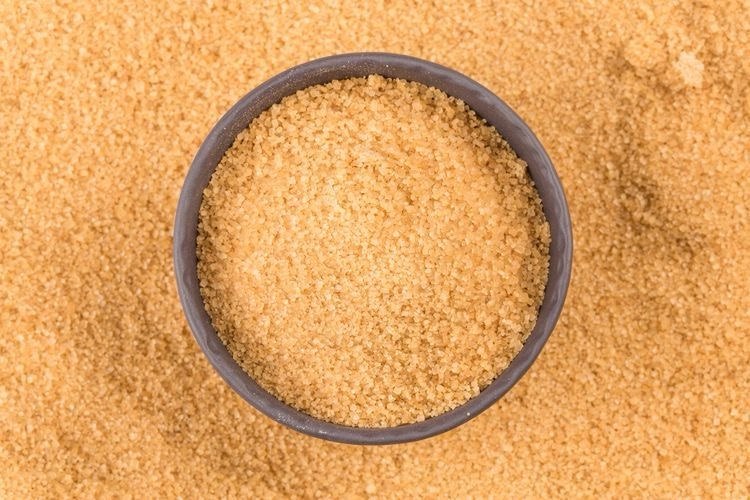
To bypass the gastrointestinal distress associated with high-volume sugar alcohols and the neural taste distortions of artificial chemicals, modern endocrinology focuses heavily on two specific organic categories.
Category C: Natural High-Intensity Plant-Based Glycosides
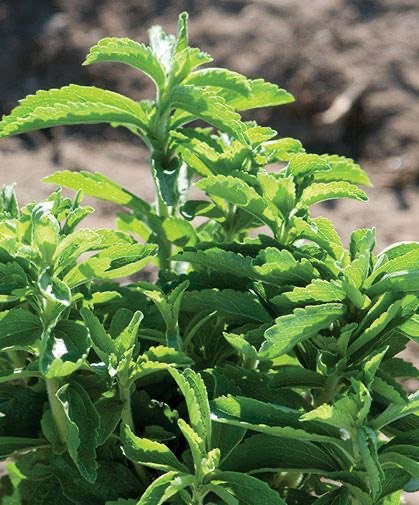
Compounds extracted from botanical sources, such as Steviol Glycosides (Stevia rebaudiana) and Mogrosides (Siraitia grosvenorii / Monk Fruit), fit perfectly into human sweet-taste receptors without depositing carbohydrates.
- Rebaudioside A (Reb-A): The most common stevia extract, providing up to 300 times the sweetness of sugar. However, its molecular structure often triggers a lingering bitter aftertaste by stimulating the hTAS2R functional bitter receptors on the tongue.
- Mogroside V: The active compound in Monk Fruit, which offers a cleaner sensory profile and exhibits potent anti-inflammatory properties in cellular models.
Category D: The Rare Sugar Frontier (D-Allulose)
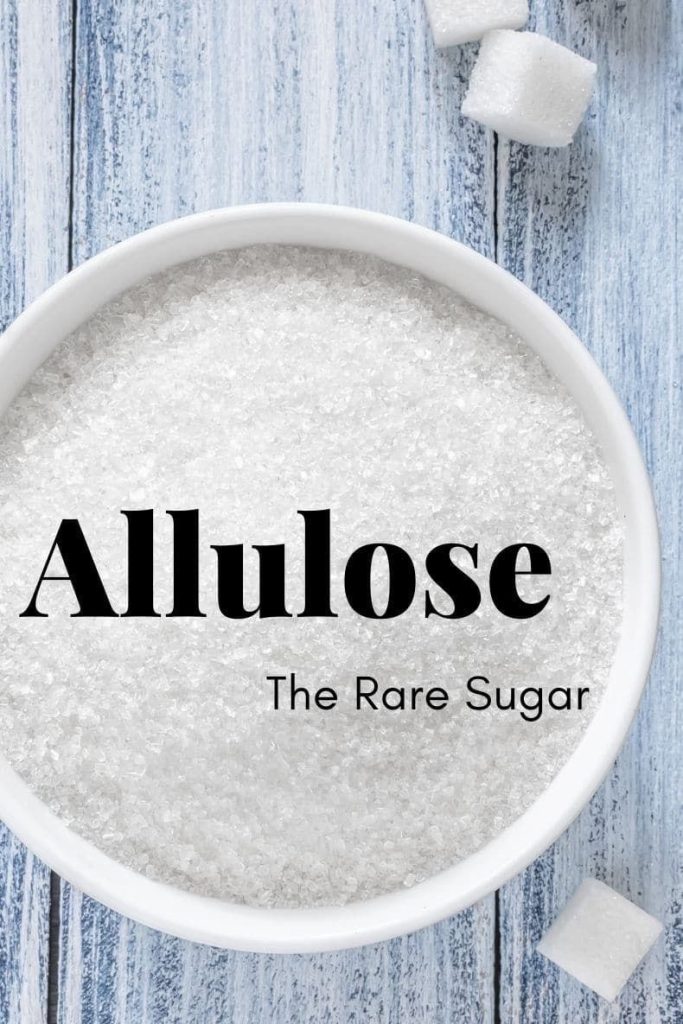
The most significant breakthrough in carbohydrate biochemistry is the discovery and scaled production of Rare Sugars—monosaccharides that exist in minute quantities in nature (found in figs, raisins, and jackfruit). The absolute gold standard of this class is D-Allulose (C6H12O6), an epimer of D-fructose.
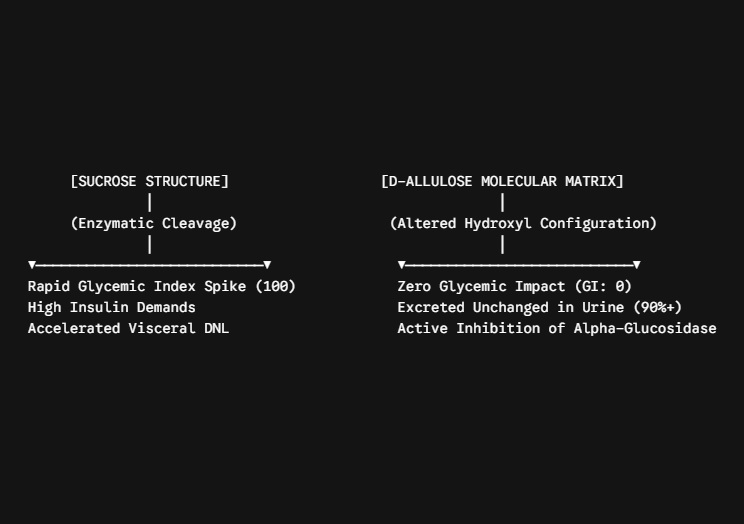
2. The Absolute Winner: Why D-Allulose is the King of Sweeteners
From an evaluation benchmark spanning thermal stability, glycemic neutrality, and physiological protection, D-Allulose emerges as the unrivaled alternative to sucrose.
The Physics of True Caramelization

Unlike stevia, erythritol, or sucralose, Allulose shares the exact chemical formula as fructose but features a reversed hydroxyl group configuration at the C-3 position. This minor spatial modification prevents human digestive enzymes from breaking it down for energy. However, because it remains a true monosaccharide, it exhibits identical bulk physical properties to sugar: it bakes, browns, undergoes the Maillard Reaction (caramelization), and matches 70% of the sweetness of sucrose with an identical mouthfeel and zero cooling effect.
The Clinical Proof: GLP-1 and Alpha-Glucosidase Inhibition
Peer-reviewed clinical trials published by The New England Journal of Medicine and long-term metabolic data verified by MDPI Nutrients demonstrate that Allulose is not merely passive; it is actively therapeutic:
- Enzymatic Blockade: Allulose competitively inhibits alpha-glucosidase and alpha-amylase in the small intestine, slowing down the breakdown and absorption of other co-ingested carbohydrates.
- Hepatic Glucose Regulation: It promotes the synthesis of hepatic glycogen rather than converting into fat, stabilizing blood plasma glucose levels post-consumption.
- Pancreatic Preservation: By blunting postprandial glucose spikes, it reduces the workload on pancreatic beta-cells, allowing them to recover from chronic hyperinsulinemia stress.
3. Global Regulatory Compliance: Navigating the Legal Landscape
As a forward-thinking, compliance-driven enterprise, Green Trade Chain Ltd strictly monitors the legal and regulatory status of all functional ingredients across international borders. The global deployment of D-Allulose is governed by varying statutory bodies, requiring a meticulous cross-border legal approach.
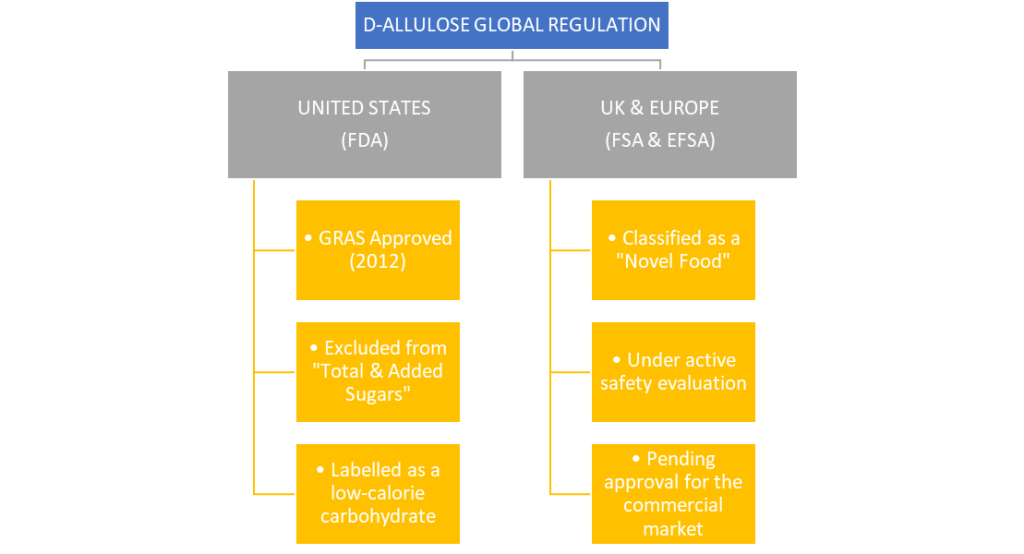
The United States (US FDA Framework)
In the United States, the Food and Drug Administration (FDA) initially granted D-Allulose GRAS (Generally Recognized as Safe) status in 2012. A historic regulatory shift occurred in 2019 when the FDA issued a guidance document allowing Allulose to be excluded from the "Total Sugars" and "Added Sugars" lines on Nutrition Facts labels. Because it yields only 0.2 to 0.4 kcal/g, it is legally classified as a low-calorie carbohydrate, allowing American food manufacturers to scale its usage rapidly.
The United Kingdom and European Union (FSA & EFSA Frameworks)
As an entrepreneur operating within the UK premium markets, navigating the Food Standards Agency (FSA) and European Food Safety Authority (EFSA) mandates is vital. In the UK and Europe, D-Allulose is legally categorized under the Novel Food Regulation (EC) No 258/97.
- The Safety Mandate: Because Allulose did not have a history of significant consumption within the UK or EU prior to May 1997, it requires a formal pre-market authorisation approval.
- Current Status (2026): Active consortia and scientific applications are currently undergoing evaluation by the FSA and EFSA to officially validate its toxicology, safety profiles, and metabolic neutrality. Consequently, while fully legalized in the US, Japan, and South Korea, its commercial distribution in UK retail sectors remains tightly restricted until the Novel Food clearance is formally granted.
- Our Commitment: Green Trade Chain Ltd strictly follows these evolving updates, ensuring that any portfolio expansion aligning with functional rare sugars fully complies with UK food security and trade standards.
4. Systems Integration: Enhancing Bioavailability Without Spikes
The primary mandate of our business is to engineer functional excellence across our entire luxury taxonomy. In Part 1, we detailed how refined sugar causes advanced glycation end-products (AGEs) and structural degradation. To counteract this, modern wellness regimes require the coupling of premium rare sugars with highly bio-available botanical antioxidants.
This philosophy is beautifully mirrored in our primary formulation approach for our flagship Luxury Tastes Saffron Desert Salt.
While salt and sweeteners sit at opposite ends of the flavor spectrum, they utilize parallel carrier principles. In our Refillable Gourmet Spice Mill, the unpolluted, microplastic-free Kalahari mineral matrix acts as a high-efficiency transport system for 1g of pure Super Negin Saffron threads. The trace minerals support electrolyte cellular balance, while the high concentration of carotenoids (Crocin and Crocetin) acts as a direct counter-measure to the oxidative stress and cellular inflammation caused by historical sugar abuse.
Conclusion: The Path to Metabolic Sovereignty
Reversing insulin resistance and mastering your metabolic architecture does not require the elimination of sensory pleasure. It requires scientific literacy, precision item sourcing, and an uncompromised awareness of global regulatory compliance. By replacing industrial sucrose with thermodynamically sound molecules like D-Allulose and integrating pure, traceably sourced botanicals into your daily routine, you regain complete control over your biological future.
The future of agriculture and nutrition lies at the intersection of automated data, absolute purity, and biochemical integrity. Elevate your culinary and metabolic standards by exploring the engineered luxury collections at Luxury Tastes.
About the Author:
Behdad Gitinezhad, PhD, CMgr, is the Founder and R&D Executive of Green Trade Chain Ltd. As a Chartered Manager (CMgr) with a PhD in Industrial Engineering, his research focuses on integrating advanced industrial systems and AI-driven frameworks to automate the production and optimisation of high-value botanical and mineral commodities.